INDUSTRIES
Who uses Converge
Converge is built for teams that turn a fluid sample, a well test or a production history into a decision. Below are nine kinds of team, the modules each one tends to open, and one piece of work from start to finish.
INTERNATIONAL AND INDEPENDENT
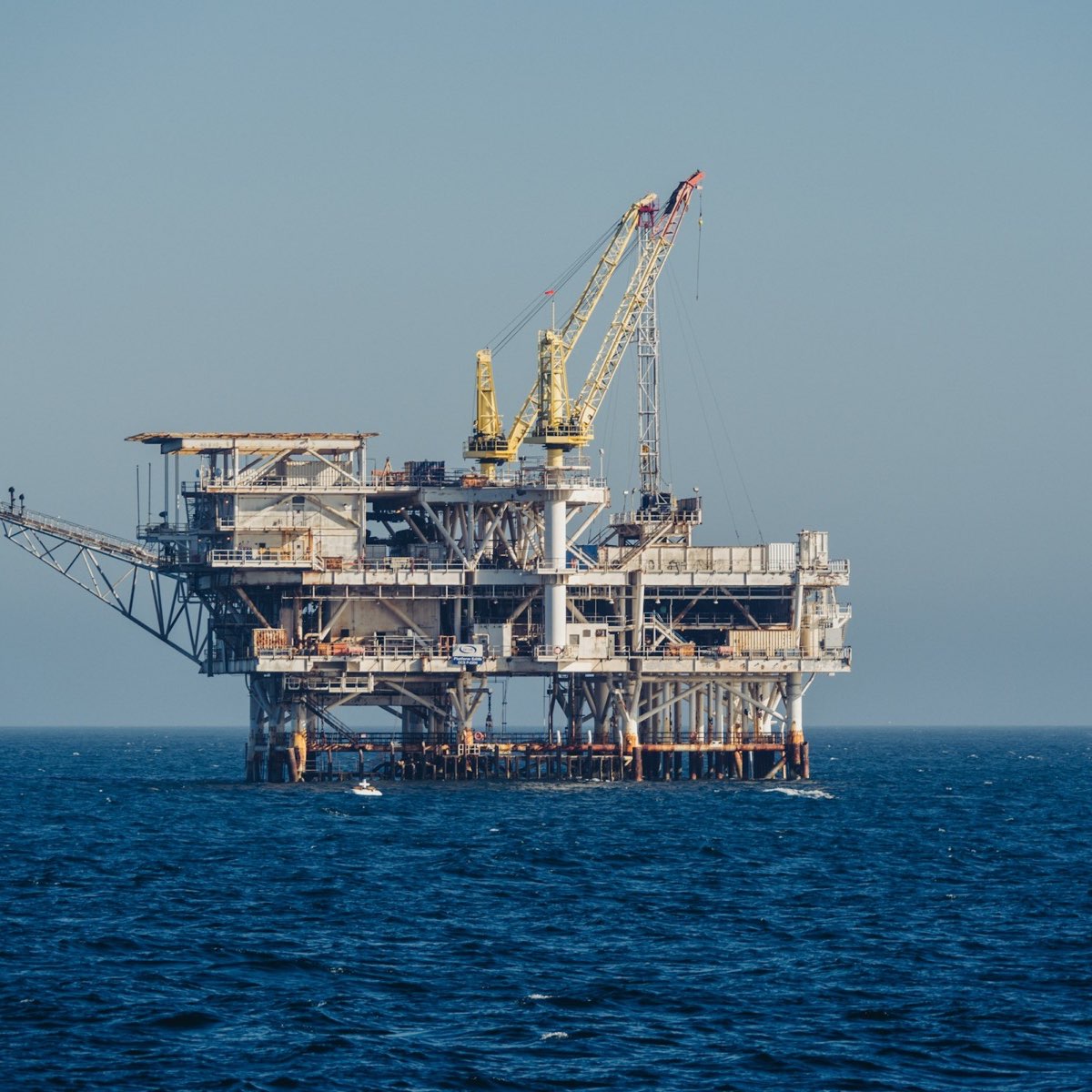
Upstream operators
Asset teams at international and independent operators keep producing fields on plan and decide where the next budget goes: which well to work over, when to add lift, whether a step-out earns its well. The fluid, the wells and the network sit in different hands, so the numbers drift apart between studies.
Modules they use
Workflow · Gas-lift review across a field
- Import production history from CSV or Excel and fit decline cases with P90, P50 and P10 bands.
- Match each well's inflow and lift curves on the project fluid, then run nodal sensitivities on injection rate.
- Solve the gathering network with the new lift-gas allocation and check it against separator and compressor limits.
- Run the extra production through the fiscal terms for NPV and payback before the change goes for approval.
NATIONAL OPERATORS
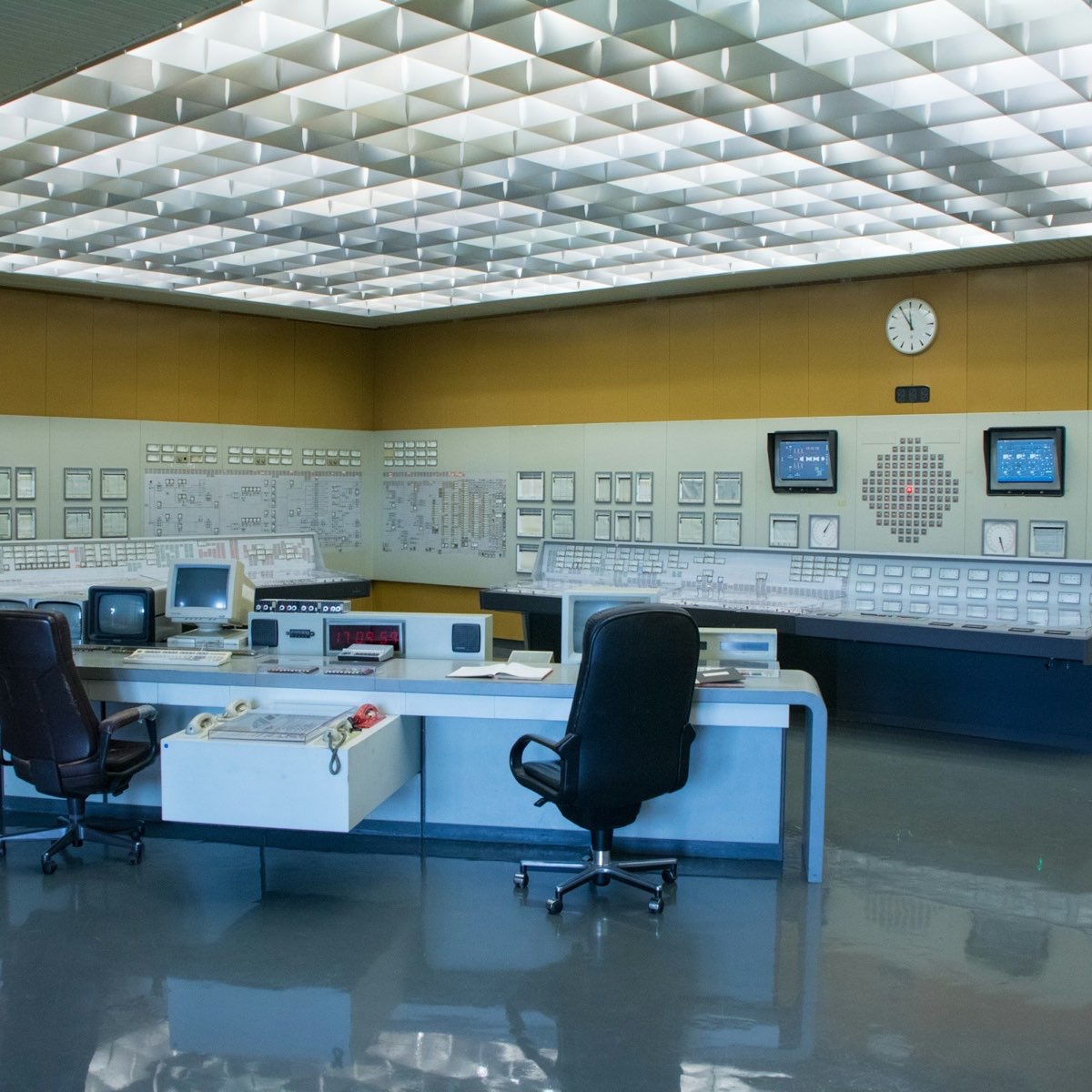
National oil companies
National companies carry the largest portfolios and answer to the state as well as to the balance sheet. Their engineers screen many fields at once, check the numbers partners submit, and build skills in house rather than send every study out.
Modules they use
Workflow · Checking a partner's development plan
- Rebuild the fluid from the lab report in the submission. The AI Engineer drafts it; an engineer approves every value.
- History-match a tank model to the reported pressures and compare the drive indices with the partner's story.
- Set the partner's forecast beside your own decline and material-balance cases.
- Apply the production-sharing terms, from royalty and cost-recovery ceiling to profit split or R-factor tiers, and compare the state's share across cases.
Each company's projects sit in a database of their own, and data residency is available on request.

NIGERIA AND WEST AFRICA
Marginal-field and indigenous operators
Indigenous operators in Nigeria and across West Africa hold a growing share of onshore and shallow-water acreage, much of it divested or marginal fields with old data and small teams. A handful of engineers covers fluids, wells, reservoir and economics, often from an office in Lagos or Port Harcourt far from the field. Converge runs in a browser tab, so there is no licence server to keep alive, and floating seats let a small team share modules instead of buying one per person.
Modules they use
Workflow · Taking over a field with legacy data
- Upload the old PVT report as PDF, Excel or Word. The AI Engineer reads it and drafts a fluid model for you to check.
- Compare the draft with the lab tests and tune it yourself with live tuning.
- Fit a material-balance tank to the pressure history to test the in-place volume and aquifer support you inherited.
- Screen a workover programme with nodal analysis, then run it through concession, production-sharing or the illustrative Nigeria-style terms before you go to lenders.
The Nigeria-style fiscal set follows the structure of the Petroleum Industry Act 2021 with screening values. Replace them with your own licence terms; it is not tax advice.

SERVICE AND SUPPLY
Oilfield service companies
Service companies sell lift, completions, testing and stimulation, and they win work by showing a client what a job will do before it happens. Their engineers need numbers that hold up in a client meeting, delivered in formats the client's own tools can read.
Modules they use
Workflow · An ESP proposal for a client well
- Build the well with its deviation survey and temperature profile on the client's fluid.
- Match inflow to the latest build-up, using derivative diagnostics to confirm skin and boundaries.
- Design the ESP and compare its operating point with the current gas-lift case.
- Hand over lift curves and black-oil tables in the formats the client's simulators expect.

CONSULTANTS
Engineering and reservoir consultancies
Consultancies run reserves reviews, field development studies and independent opinions for operators, lenders and governments. Every job starts with someone else's data and ends with a report that has to show its working. Project teams grow and shrink between jobs, which suits seats that belong to the company rather than to a person.
Modules they use
Workflow · An independent reserves review
- Open a project for the client, with run history and saved versions kept for every step.
- Fit decline cases with P90, P50 and P10 bands, and type wells for undrilled locations.
- Cross-check volumes with tank material balance and flowing material balance.
- Run Monte Carlo economics and export the tables for the report appendix.
LABORATORIES
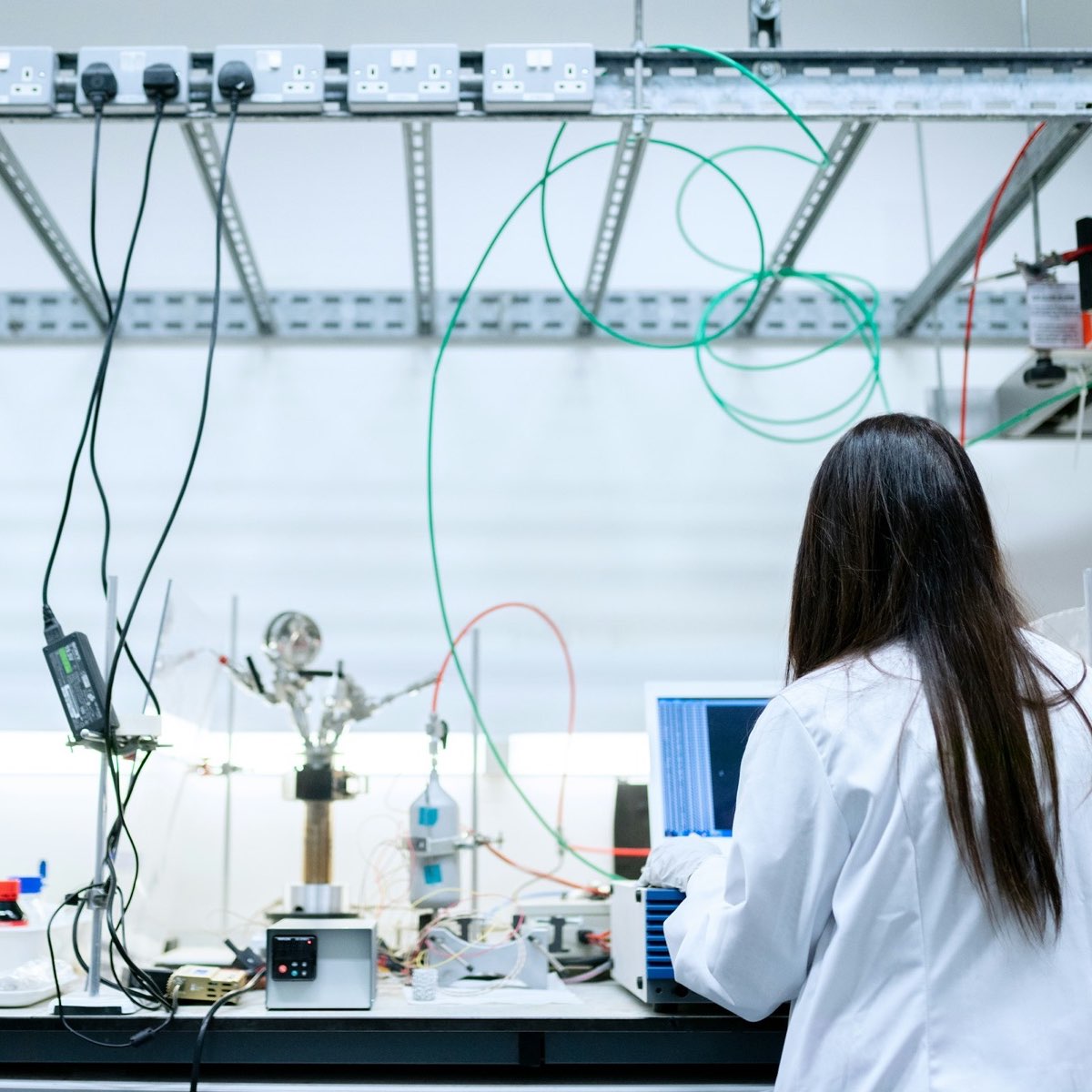
PVT and core laboratories
Labs measure the fluid; their clients want a model. A lab that hands over a tuned equation-of-state model and simulator-ready tables with the report gives the client one less step and itself a stronger product.
Modules they use
Workflow · From measured data to a tuned model
- Enter the composition with its plus fraction and split it with a gamma distribution.
- Match CCE, differential liberation, CVD and separator tests with bounded regression, excluding suspect points one at a time.
- Check the phase envelope, the critical point and the hydrate screen.
- Export separator-corrected black-oil tables and a compositional deck to deliver with the report.
Converge works on the fluid. It does not interpret core analysis, so core labs use it for the fluid side of a combined study.
GAS AND CONDENSATE
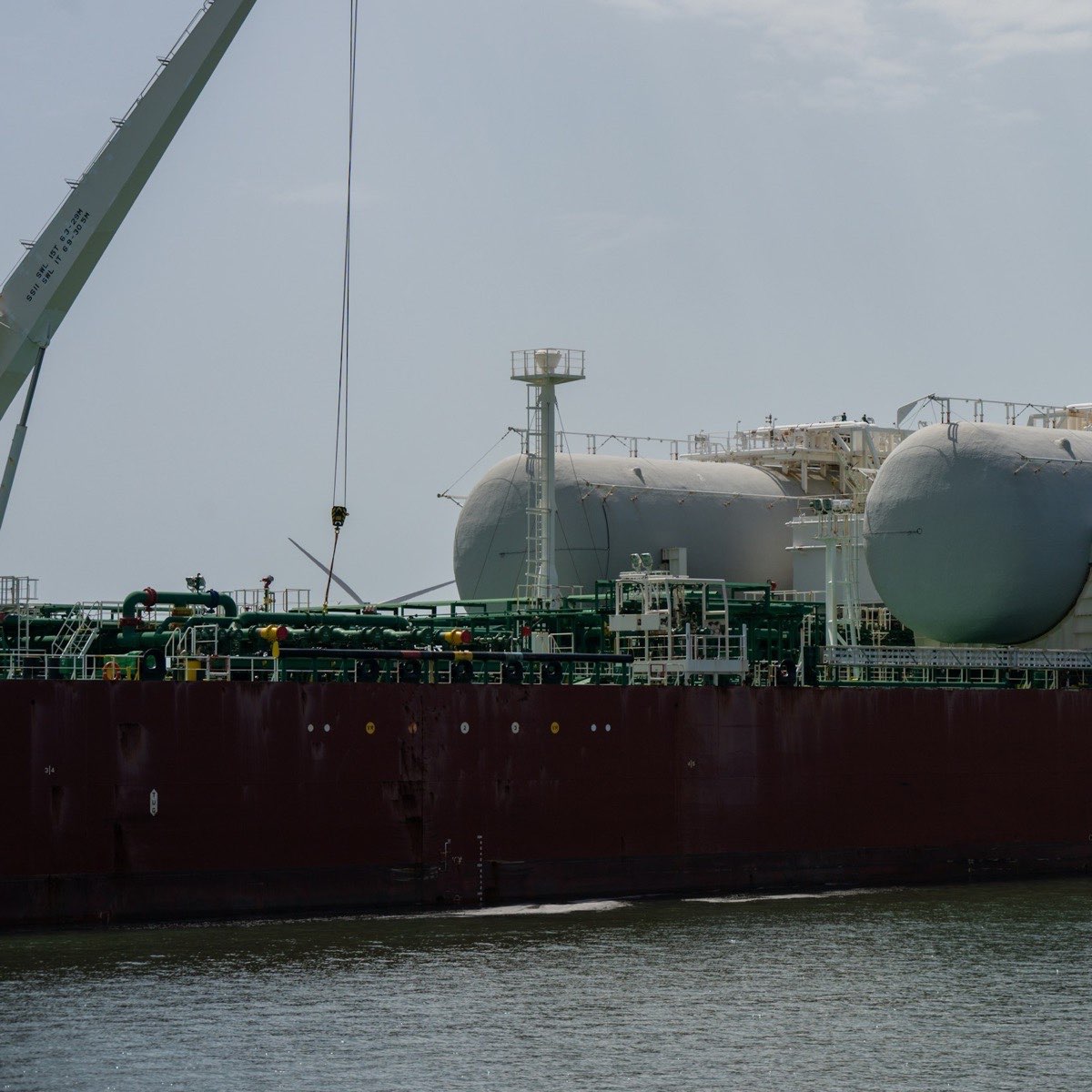
Gas producers and LNG supply
Gas producers commit to volumes and delivery pressures years ahead, and feed gas for an LNG plant or a domestic pipeline has to arrive on specification. Condensate drop-out, liquid loading and compression decide whether the contract is met.
Modules they use
Workflow · A deliverability check for a gas sales contract
- Tune a gas-condensate model to the CVD and dew-point data, and see where liquid drops out below the dew point.
- Confirm gas in place on a p/Z plot, and add an aquifer if the pressure shows support.
- Model each well with a back-pressure inflow and watch for liquid loading as rates fall.
- Run reservoir, wells and the compression network together through time to see when the plateau ends.
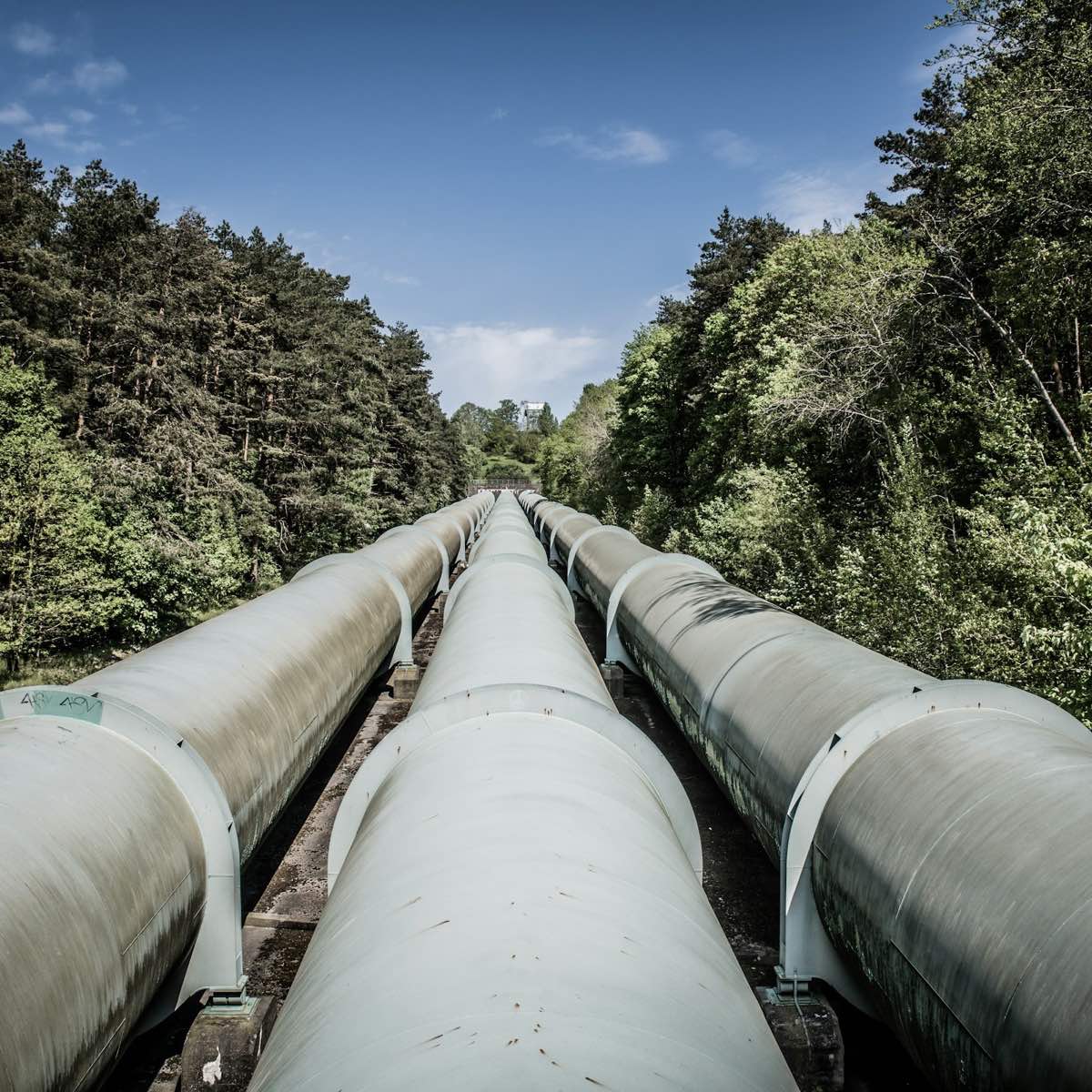
CO2 INJECTION AND STORAGE
Carbon capture and storage
Storage teams screen depleted fields and saline aquifers, then show a regulator how much CO₂ a site can take and where the pressure goes. A CO₂ stream with impurities behaves very differently from natural gas, so the phase behaviour comes first.
Modules they use
Workflow · Screening a depleted field for CO₂ storage or enhanced recovery
- Describe the CO₂ stream with its impurities and plot its phase envelope against pipeline and wellhead conditions.
- Run a swelling test and a multiple-mixing-cell MMP study against the remaining oil to see whether injection would be miscible.
- Use gas injectors in the grid simulator to screen injectivity and pressure build-up.
- Put an emissions cost on each case in the economics.
The grid simulator is black-oil, so treat its results as a screen. A full compositional storage model still needs a compositional simulator, which Converge can feed with an EOS deck.

TEACHING
Universities and training
Petroleum engineering departments and training centres teach fluids, wells and reservoirs as linked subjects, but students often meet them as separate desktop tools on lab machines. Converge runs on a student's own laptop, and one project carries a fluid from the PVT class through to an economics exercise. The engine is checked against an independent implementation and NIST data on every build, so students can see where an equation of state departs from measurement.
Modules they use
Workflow · A semester project on one field
- Students build a fluid from a published PVT report and tune it to the lab tests.
- They size a well with nodal analysis and interpret a build-up test.
- They history-match a tank model and forecast recovery.
- They finish with cash flow and NPV, and the run history shows every step they took.